Mud, Dogs and Driving Rain: The Rear Composite Door Spec Most People Get Wrong

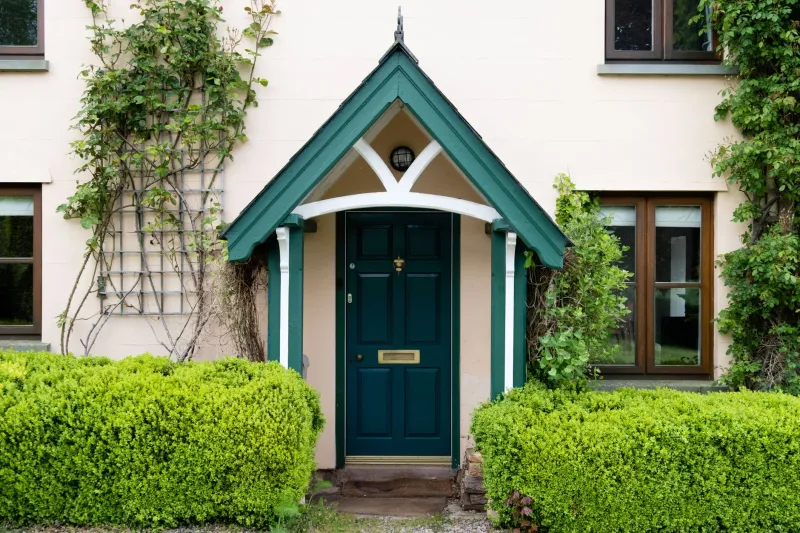
Photo: Royal Institution of Cornwall, Anna Tyacke, 2006-09-18 11:11:43, CC BY-SA 4.0, via Wikimedia Commons
Your front door has a fairly clear job: look smart, welcome people in, and put up a solid front. Your back door has a far less glamorous brief. It deals with bin runs in the rain, muddy boots, children charging through, the dog asking to go out for the fourth time before breakfast, and whatever the weather decides to throw at the rear of the house. It is not simply a front door with a different colour on it.
That is why copying your front-door specification for the rear can lead to a door that looks fine on day one but feels wrong by the first proper winter. The good news is that a rear composite door can be excellent. It just needs to be chosen for the job it actually does.
The back door has a different job description
A front door is judged from the pavement. A rear door is judged by your day-to-day life. It is opened more often, often with full hands, and it sits in a part of the house where practicalities beat kerb appeal. You still want it to look decent, of course, but the priorities shift towards weather resistance, easy operation, privacy and a finish that can cope with grit and garden dirt.
This is not about buying a lesser door for the back. It is about spending the money in the right places. A rear door with a sensible threshold, proper drainage, good seals and a robust lock will earn its keep far more than an expensive decorative panel that happens to match the front.
Traffic, mud and the bottom of the door
The lower part of a rear door takes a beating. Shoes, wellies, bags of compost, pet paws and the occasional football all aim low. Look closely at the threshold and the bottom rail of the door. A well-designed threshold should shed water away from the house rather than letting it pool, and the door should close against its seals without needing a shove.
If you have a step down to the garden, check that the door swing and threshold work together safely. Low thresholds can be helpful for level access, but they need to be specified and fitted properly to keep the weather out. Also ask about the finish around the bottom of the door. Darker or textured finishes tend to hide the marks that pale, smooth surfaces show up. A kick plate is not essential for every home, but it is worth considering if the door is in a busy utility or kitchen route.
Wind-driven rain is the real test
Rear elevations often catch weather that the front never sees. A door can look perfectly sealed from the inside and still let a thin line of water in when the rain is driven hard against it. This is where the quality of the door, the frame and the installation all meet.
Ask how the door manages water. Look for proper drainage, overlapping sections and seals that are designed for the door rather than added as an afterthought. Large glazed panels can be perfectly weathertight when properly made, but the glazing system and seals need to be up to the job. If your rear door faces an exposed direction, say so at the survey. It is much easier to specify for the weather than to fix a leak afterwards.
Privacy without turning the back room into a cave
Rear doors often face a neighbour's window, a shared alley or the bottom of the garden. Clear glass can feel exposed, especially in the evening when the inside lights are on. Obscure, satin or patterned glazing solves that, but it should not make the room feel gloomy.
Think about where the light comes from. A kitchen or dining room may need as much daylight as possible, so a carefully chosen obscure glass in the door can give privacy without blocking the sun. If the door has a large glass area, ask about laminated glass as well as the privacy finish. Laminated glass holds together better if it is broken and can help with noise from a busy garden or nearby road. It is one of those upgrades that makes sense on a rear door where security and comfort matter together.
Security that suits the back of the house
A back door can be more hidden from the street than the front, which makes its lock quality just as important, if not more so. Look for a multipoint locking system, secure handles and proper hinge protection. Shootbolts and a decent cylinder are not marketing extras; they are the basics of a door that resists being forced.
Glass matters too. A rear door with a large clear panel needs laminated or otherwise robust glazing. The best lock in the world is not much use if the glass can be broken easily. Ask how the door is secured as a complete unit, not just what lock is on the handle. And make sure the installation keeps all of that working as intended. A superb door fitted poorly is a weak door.
Easy operation is not a luxury
When you are carrying shopping, holding a toddler's hand or trying to stop the dog from escaping, a stiff door is a daily annoyance. Rear doors should open smoothly and lock without a fight. Check the handle style with your hands full in mind. A lever handle may suit you better than a knob, and the lock should turn cleanly rather than needing a particular knack.
Opening direction matters too. Think about the route from the kitchen to the bin store, or from the utility room to the garden. A door that swings into the path of a worktop or blocks a step is a design problem, not a minor detail. If children or older relatives use the door regularly, an easy-to-operate lock and a well-fitted threshold are worth more than a fancy finish.
A room-by-room checklist for the rear door
Kitchen: Prioritise daylight and privacy. Decide whether you want obscure glass, and check that the door does not swing into a busy cooking area. Easy-clean surfaces and a handle that works with wet or floury hands are sensible.
Utility room: This is the mud-and-boot route. Focus on threshold drainage, a hard-wearing finish and a lock that still works when the door is covered in garden grime. Consider a kick plate if the bottom of the door will take regular knocks.
Conservatory or extension: Match the sightlines and colour to the existing frames, but do not sacrifice weather performance for a pretty match. Check the thermal performance and make sure the door is specified for the exposure it will face.
Garden room or garage access: Security and weathertightness come first. If the door is away from the main house, laminated glass and a good multipoint lock are worth the spend. Make sure the door can be operated easily in the dark and wet.
Questions to ask before you order
Ask whether the door is specified for rear exposure. Ask what the threshold height is and how water drains away. Ask about the glass: is it laminated, obscure, or both? Ask which lock and shootbolts are included. Ask which way the door will swing and whether the hinge side has been checked on site. If you want a pet flap, ask for it to be factory-fitted rather than cut in later. And ask who is responsible for making good around the frame after installation.
A rear composite door does not need to be the star of the show. It needs to be the door that quietly gets on with it, year after year. Specify it for mud, dogs, driving rain and busy hands, and you will end up with a back door that feels like a proper part of the house rather than a front door that happens to be in the wrong place.