The South-Facing Front Door: Choosing a Composite Finish That Can Handle the Glare
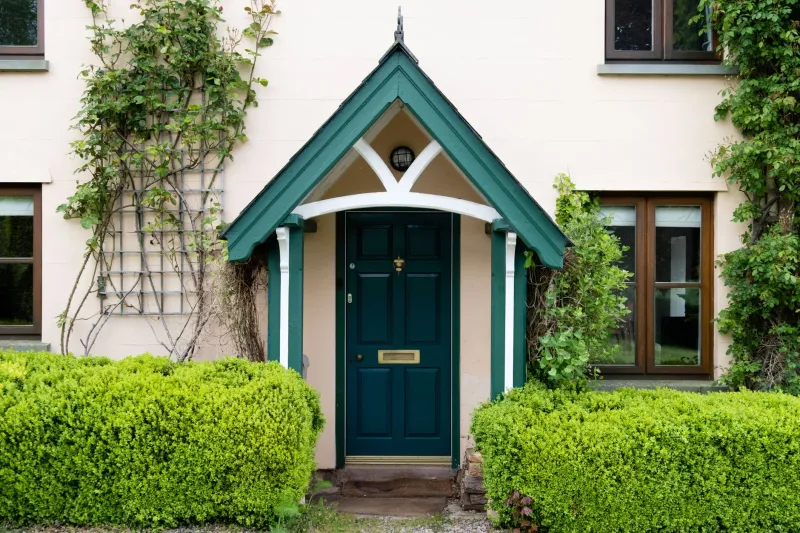
There is a lot to like about a south-facing entrance. The front of the house gets the best of the daylight, the doorstep dries out faster after rain, and a well-chosen door can look genuinely inviting for most of the day. But if your composite door sits in direct sun for hours on end, that exposure is worth thinking about before you fall for a colour in the showroom.
Composite doors are tough, low-maintenance bits of kit. This is not a warning that your door is about to fall apart. It is a practical look at the finish side of things: how UV and heat can affect door skins and colours, what to ask about colour-fastness and warranty small print, and how to keep the kerb appeal you paid for without pretending the sun does not exist.
Why a south-facing entrance is a different beast
In the UK we do not get tropical sun, but we do get long, low-angle light that can hit a front elevation for much of the day. A south-facing door may catch sun from mid-morning through to late afternoon in summer, and even in winter the low sun can glare across a path or reflect off windows and pale paving.
The result is not just a pretty frontage. The surface of a dark door can get noticeably warmer than the air around it. Add a sheltered porch, a warm day and a dark colour, and the door skin is doing a bit more work than one tucked under a north-facing canopy. That does not mean it will fail. It does mean the finish is being asked to earn its keep.
UV, heat and what actually ages
When people talk about sun damage on a door, they usually mean two things happening together: UV exposure and heat cycling.
UV can affect pigments and surface coatings. Over time, a colour may lose some of its depth, a gloss finish may dull, or the surface may develop a chalky look. Heat is the other side of the coin. A door expands and contracts as it warms and cools, and repeated cycles can be harder on foils, laminates and painted finishes than on a door in constant shade.
None of this is a reason to avoid a south-facing door. It is a reason to buy with your eyes open and to ask better questions than simply, what colour do I like?
Dark colours: drama versus discipline
Dark grey, black, deep blue and forest green are popular for good reason. They look smart, frame the house nicely and give a modern entrance plenty of presence. On a sun-baked elevation, though, dark colours absorb more heat and can show fading or surface change more obviously than a lighter tone.
If you have your heart set on a dark door, do not panic. Ask how the colour is achieved. A proven laminated foil or a reputable painted finish is not the same as a cheaper surface treatment. Ask whether the manufacturer has guidance for south-facing installations, and consider whether a porch, recessed entrance or overhang gives the door a break from the worst of the afternoon sun.
A lighter colour is not automatically boring, either. Pale grey, cream, sage, duck egg and soft stone tones can look excellent on a period property or a modern one, and they tend to reflect more light rather than soak it up. The right answer is the colour that suits the house and has a finish with evidence behind it.
Questions to ask before you order
This is where a few minutes of homework can save a lot of guesswork later.
Ask what the door skin and colour system actually are. Is it a laminated foil, a painted finish, or something else? Ask about colour-fastness and UV stability, and get the answer in writing rather than relying on a showroom conversation.
Then read the warranty for the bits that matter. Does it cover fading, chalking or colour variation? Are there exclusions for south-facing elevations, coastal locations or particularly exposed sites? What does the manufacturer consider normal ageing? If the door is in direct sun for most of the day, say so before the order goes in. A good supplier should not be startled by the question.
Ask, too, whether the colour you have chosen is available in a finish recommended for exposed elevations. Not every colour in every range behaves the same way. A reputable installer should be able to tell you where a particular finish sits in the manufacturer's own guidance.
Early signs to keep an eye on
A sun-affected finish rarely changes overnight. The clues tend to build up slowly. You might notice a powdery residue when you wipe the door, a patchy loss of colour near the handle or edges, or a surface that no longer has the depth it had when it was fitted. Compare the sunny face with a sheltered area such as the hinge side or the inside of the door if you can.
Some of this can simply be dirt, pollen or traffic film. Give the door a gentle wash with mild soapy water and a soft cloth, rinse it, and see what remains. If the colour looks genuinely faded or the surface feels chalky, photograph it in daylight and speak to your installer or manufacturer. Do not attack it with solvents or abrasive pads, which can make a cosmetic issue worse.
Finishes and details that make sense
A textured finish can be more forgiving than a high-gloss one on a sunny elevation. It tends to hide minor marks and can soften the look of everyday wear. Woodgrain effects can also work well, but check that the colour and grain are part of a finish system with proper UV credentials rather than just a convincing showroom sample.
Hardware and glazing can do some of the kerb-appeal work without pushing the door slab into a more vulnerable colour. Brushed chrome or black handles, a decent letterplate and well-chosen glass can give a lighter door plenty of character. If the entrance is very exposed, a small canopy or porch is worth considering for the door's sake as well as yours.
Kerb appeal without fighting the sun
The best front door is not the one that ignores its setting. It is the one that looks right on the house and is specified for the spot it occupies. A south-facing entrance can carry a bold colour, but it deserves a finish with a clear story behind it and a warranty that has been read properly.
Before you order, look at the door at different times of day. Check the colour in natural light, not just under showroom spotlights. Ask about the finish, the exposure and the exclusions. Then choose the door you actually want, with a bit of sensible protection built in. The sun will still do its thing, but your door will be better prepared for it.