Claws, Draughts and a Hole in Your Door: A Pet Owner’s Composite Reality Check
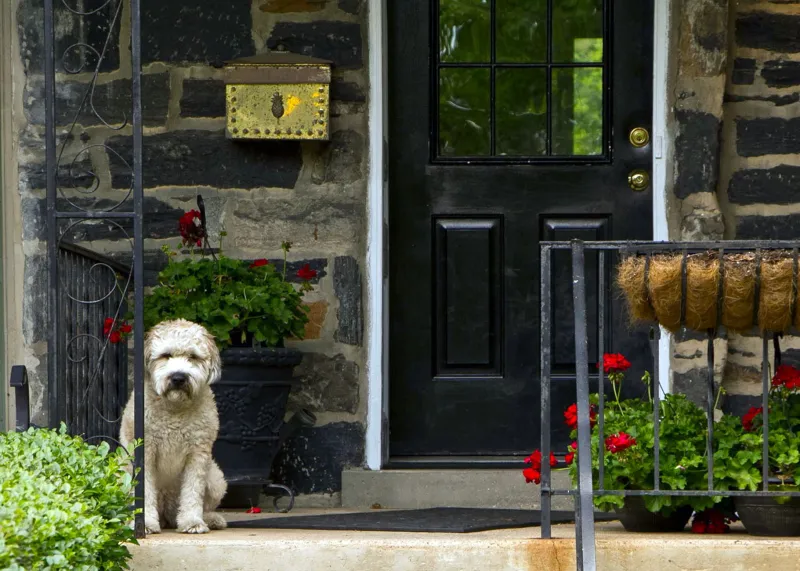
If your dog is the self-appointed head of neighbourhood watch, or your cat has decided the front garden is its personal kingdom, the idea of a pet flap in the front door is tempting. No more jumping up every time there is a scratch at the paintwork. No more leaving the door ajar in February while you negotiate with a terrier. Just a neat little opening, fitted once, doing its job forever.
Except a composite door is not just a flat panel with a handle. It is a sealed, insulated, security-rated unit, and a pet flap is exactly what it sounds like: a hole cut through it. That does not make flaps evil. It does mean you should go in with your eyes open. Here is the straight-talking version.
The romantic version versus the real version
Composite doors are sold on toughness, thermal performance and good looks. All three are true, but they rely on the door staying as the manufacturer built it. Cut a flap into the lower panel and you have changed the thing you bought. A well-fitted microchip flap in the right place can work perfectly well for years. A cheap flap chopped in with a jigsaw on a Sunday afternoon is a different story, and one your warranty may not want to hear about.
Security: even a good flap is a weak point
A PAS 24 door is tested as a complete unit: slab, frame, locks, cylinder, hinges, glazing. Once you cut a hole in the slab, that certification story gets more complicated. It does not automatically turn your door into a security sieve, but it does introduce an opening that was not part of the original design.
Microchip and magnetic flaps are better than a plain swinging bit of plastic. They still need to be fitted properly, sealed properly and positioned sensibly. Avoid putting a flap anywhere near the lock side of the door, and do not fit one into a glazed panel unless the glazing and frame are genuinely designed for it. A low flap is also within easy reach of a hand, not just a paw. If security is your main reason for buying a composite door, a wall-mounted pet door through a suitable external wall is often the cleaner answer.
Draughts, rain and the hallway microclimate
A pet flap is a permanent opening with a moving seal. The good ones have brushes, magnets or flexible membranes that close reasonably tightly. None of them are as airtight as an uncut door. In a sheltered porch, you will barely notice. On a windy, rain-driven elevation, you may find yourself buying a draught excluder for a door you thought was draught-proof.
Think about where the prevailing weather hits your front door. If the flap faces the worst of the wind and rain, water can track in around the edges, especially if the fit is rushed. A small shelter or a well-positioned mat helps, but the real fix is choosing the right flap and installer in the first place.
The warranty paragraph nobody reads first
Most composite door warranties exclude modifications, cuts and third-party fittings. Some manufacturers offer a factory-fitted pet flap as an option. Others will happily sell you the door and then politely decline a claim if water gets into a cut edge or the slab starts to swell around an aftermarket opening.
If you are ordering a new door, ask about pet flaps before you pay, not after it arrives. Get any reassurance in writing. If you are retrofitting to an existing door, ask the manufacturer and the installer what happens to the weatherproofing and structural warranty. Keep the paperwork. It is dull, but it is cheaper than an argument in eighteen months’ time.
Scratch resistance: colours and textures that hide real life
Dogs scratch at doors. Cats do it too, usually with more smugness. Gloss finishes show every mark, and dark gloss is particularly unforgiving. Textured foils, woodgrain effects and mid-tone colours tend to wear their scars more gracefully. Anthracite, olive green, mocha and some of the warmer greys are practical choices for a busy hallway.
Scratch-resistant films and durable foil skins are worth asking about, but do not expect miracles. A determined Labrador can mark most things. The bigger win is a good doormat inside and out, a consistent routine and, if your dog launches itself at the door whenever the post arrives, a letterbox positioned away from the main scratching zone.
Threshold wear and the muddy-paw problem
It is not just the door face. The threshold and bottom rail take a pounding from claws, wet paws and general enthusiasm. Aluminium thresholds are tough but can look scuffed. PVC and composite thresholds are usually fine but benefit from a mat that stops grit being walked in. If your dog does a dramatic skid-turn on the way to the garden, consider a slightly deeper mat well or an external mat that actually stays put.
If you do fit a flap: the practical checklist
Use an installer who has fitted flaps to composite doors before, not a general handyman with a new multitool. The flap must suit the door thickness and the size of your pet. It should not sit within the glazing, the lock area or too close to the edge of the slab. The cut edges need sealing properly, and the flap itself should have a decent seal and a reliable locking or microchip mechanism. And confirm the warranty position in writing before the drill comes out.
The alternatives worth costing properly
If your pet uses the front door several times a day, a separate pet door through a wall, a utility door or a porch panel is often the better long-term answer. It keeps the composite door intact, protects its security rating and avoids a permanent hole in your best entrance. For cats, a microchip flap in a suitable wall or back door is usually simpler than involving the front door at all.
If your dog only goes out with you on a lead, you may not need a flap at all. A good mat, a scratch-tolerant finish and a bit of training around the letterbox can solve most of the problem without cutting anything.
The straight answer
A pet flap can work in a composite door, but it is a compromise, not a free upgrade. If the door is new, ask the manufacturer about a factory-fitted option. If it is existing, weigh the security, draught and warranty trade-offs honestly. And if your pet is a full-time front-door user, put the flap somewhere else. Your composite door will last longer, and your hallway will be warmer for it.