The Cheapest Quote Is Rarely the Cheapest Door: Reading a Composite Door Estimate Line by Line

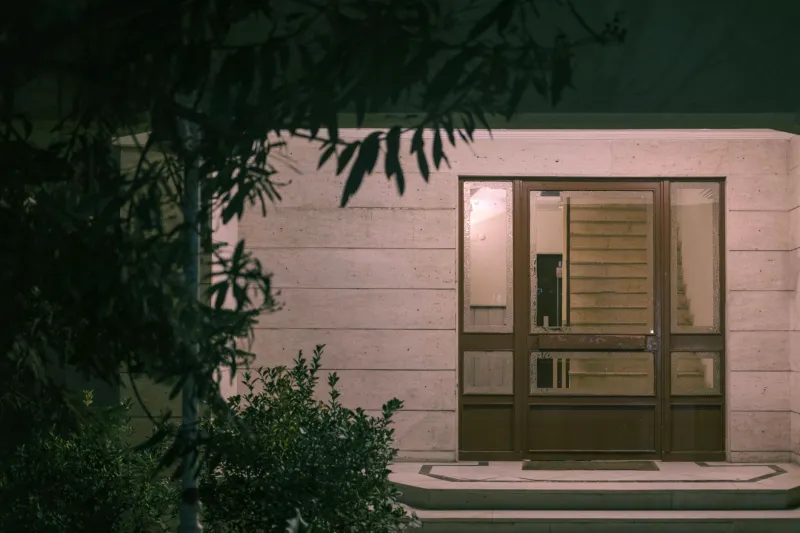
Photo: installer fitting composite front door frame with tools UK house exterior, via img.wattpad.com
You've had three quotes. One is £1,400, one is £1,950, one is £2,300. The £1,400 bloke was chatty, said he'd 'fit it around you', and promised it'd be done in a day. The £2,300 quote is four pages long and mentions something called a 'threshold former'.
Most people go with the £1,400. Most people, six months later, are looking at a smear of mortar down their hallway wall and wondering who's responsible for the damp patch by the skirting.
Let's be blunt about this: a headline figure is not a price. It's a number designed to get to the top of your shortlist. A real quote tells you exactly what you're paying for and, crucially, what you're not.
'We'll fit it around you' means nothing
It sounds accommodating. It isn't. It's a phrase used to avoid committing to anything on paper.
A proper install has a sequence: survey, manufacture, delivery, removal of the old door, preparation of the opening, fitting, making good, glazing, adjustment, handover. Every one of those steps has a cost and a person responsible. If a quote can't name them, it's not a quote — it's an estimate with a smile attached.
Ask for the document to be itemised. If they won't itemise it, that tells you something.
Making good: the bit everyone forgets to ask about
'Making good' covers everything needed to leave the wall looking tidy after the old frame comes out — repointing around the new frame, filling chases, touching up render, sealing inside and out, refitting internal trims.
It is the single most common source of post-installation complaints, because it is the easiest thing to leave vague. 'Making good included' can mean anything from a proper mastic bead and a bit of filler, to a full render repair by someone who knows what they're doing.
Ask directly: who makes good, to what standard, and is the external seal included or extra? Get it written down.
The old door has to go somewhere
Removal and disposal is a real cost. A composite door and frame doesn't fit in a wheelie bin, and if it's a solid timber original it may weigh a great deal more than the fitter anticipated.
A decent quote states whether the old door is being taken away and disposed of, or left leaned against your wall for you to sort out. Both are legitimate arrangements — but only one of them is what you thought you were buying.
Some fitters will also flag that an original solid timber door might be worth keeping or selling. Worth a conversation if you're in a period property.
Brickwork, thresholds and the things nobody mentions until day two
This is where budgets quietly unravel.
- Thresholds. If the existing sill is rotten, uneven, or sitting below the damp course, a new threshold former or cill may be needed. That's materials and time.
- Reveals and openings. Older properties are rarely square. Packing out and re-forming an opening is skilled work.
- Steps and access. If the door opens onto a step or a raised path, the fitter may need to adjust the bottom rail clearance, which affects the whole install.
- Lintels and brickwork. Genuinely rare, but if the opening needs structural attention, that's a separate trade.
A good quote doesn't pretend these won't happen. It sets out a rate or a stated allowance so you're not negotiating on your doorstep while the old door is already off its hinges.
Warranty: read it before the smile fades
Composite doors are typically covered by two separate warranties, and homeowners routinely confuse them:
- The product warranty — covers the door slab, glazing units, hardware and finish. Usually 10 years, sometimes longer.
- The installation warranty — covers the fitter's workmanship. Often 1–5 years, sometimes only 12 months.
A 10-year door warranty from a company offering a 1-year installation warranty is a warning sign, not a selling point. If the door drops, sticks or leaks because it was fitted badly, the product warranty isn't going to help you.
Also check: is the warranty transferable if you sell the house? Does it require an annual service you'll never remember to book? Who honours it if the installer stops trading?
Credentials worth actually checking
Don't take a logo on a leaflet at face value. Ask for:
- Public liability insurance — certificate, not a verbal assurance.
- Competent person scheme membership (FENSA or similar) if the install is a notifiable replacement.
- A physical address you could drive to if things went wrong.
- Two recent local installations you could look at from the street.
If any of that feels like an awkward ask, that's the point at which it matters most.
Questions to put in writing before any deposit
Copy these into an email. A good installer will answer them without flinching.
- What exactly is included in making good, internally and externally?
- Is the old door removed and disposed of, and is that included in the price?
- What happens if the opening needs extra work — do you quote it on the day, or is there an allowance?
- What are the product and installation warranty periods, separately?
- When is the deposit due, how much is it, and what's the refund position if the survey changes the spec?
- How long from deposit to fitting, and who contacts me if that slips?
If a company won't answer those in writing, the £1,400 wasn't a bargain. It was a deposit on a problem.
The short version
The dearest quote isn't automatically the best either — four pages of jargon can hide just as much as a scribbled figure on a business card. What you're looking for is specificity. Names, standards, allowances, dates, warranty lengths.
A proper quote is boring. It's repetitive. It has subheadings. And it's the reason you'll still be happy with your front door in five years, rather than standing at the gate wondering who to ring about that draught.