Georgian Bars, Edwardian Light: Matching Composite Door Glazing to the Age of Your House
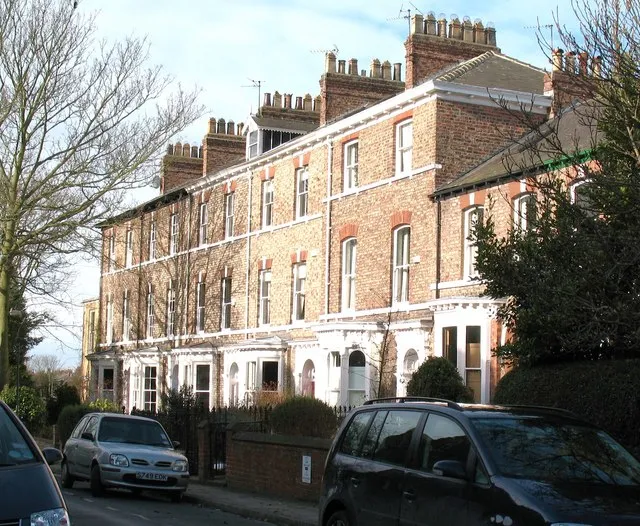
Photo: Gordon Hatton, CC BY-SA 2.0, via Wikimedia Commons
There's a moment in every showroom where the conversation quietly dies and everyone stares at a wall of glass samples. Leaded. Bevelled. Stippled. Something called 'everglade'. The salesperson says they're all popular, which is true in the sense that all of them have been fitted to somebody's house.
The trouble is that glazing is the most visible decision on the whole door. A colour can be forgiven. A wobbly fitting can be fixed. But a glazing pattern that fights the house? You'll see it every single day from the pavement, and so will the neighbours.
So before you fall for anything in a catalogue, have a proper look at the building you actually live in.
Read the house before you read the brochure
Composite doors are, at heart, a modern product pretending to be an old one. That's not a criticism — it's the whole point. The best installations work because the pretend is convincing. Glazing is where that illusion either holds together or falls apart.
Walk out to the kerb and look at your street. Not at what you'd like it to be — at what it is.
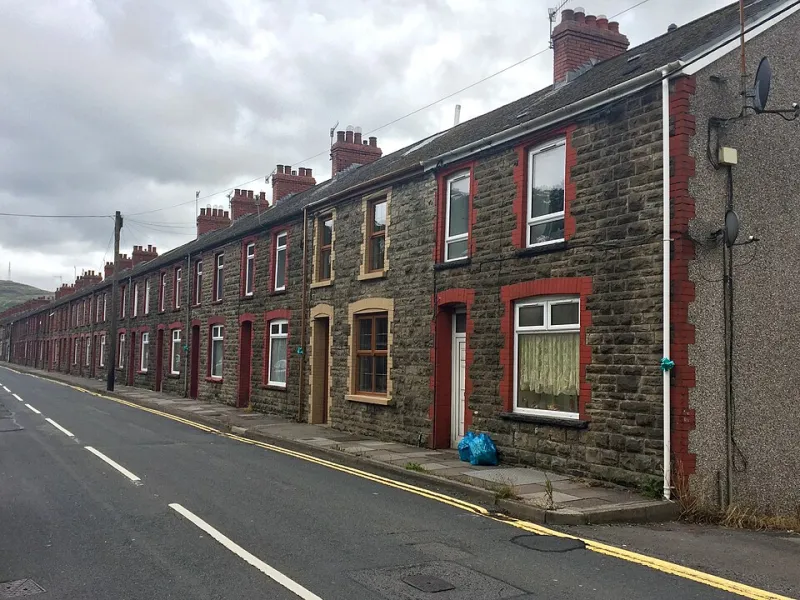
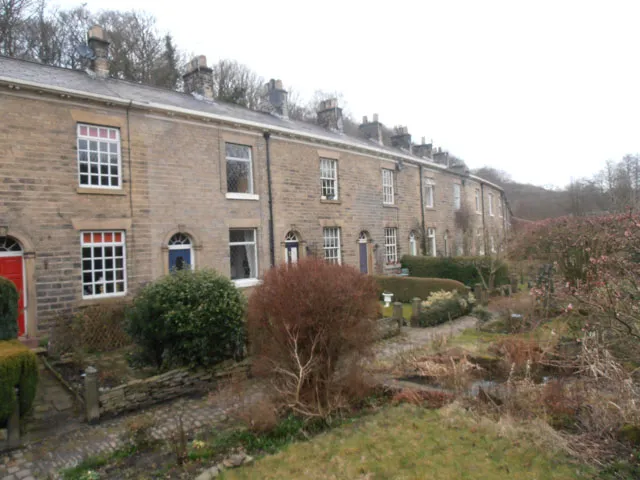
Victorian and Edwardian terraces
Tall, narrow openings, a fanlight over the door, and a strong vertical feel. If your house is this shape, tall slim glass panels work far better than a squat little square dropped in the middle of the door. A top light above the door is the period-correct move, and it earns its keep by dragging daylight into a hallway that was never designed for electric light.
Decorative bars here should be vertical and restrained. Heavy diagonal lattice on a Victorian terrace looks like a pub conversion.
1930s semis
This is where the iconic look lives: a door with three or four small rectangular panes stacked down one side, or a row of them across the top. It's a genuinely lovely pattern and it suits the wide-fronted, bay-windowed semi perfectly.
Be careful with the bars. The originals were slim. Chunky georgian-style bars imposed on a 1930s opening give a fussy, over-dressed effect — like putting a cravat on a labrador.
Post-war, 1950s to 1970s
Honest answer: these houses are often the hardest. The architecture is plain, the openings are generous, and period details can look bolted on. Plenty of homeowners in this bracket are better served by a mostly solid door with one clean glazed panel, or a simple horizontal letterbox-style glazed slot, than by anything with historical pretensions.
Less really is more here. A single piece of glass, well proportioned, will flatter a plain elevation. Six little panes will look like a jigsaw.
New builds and modern extensions
Full-height glass, slim frames, no bars at all. If your house was built after about 1995, the architecture is already telling you what it wants. Adding decorative bars to a modern elevation is the door equivalent of hanging a carriage clock in a kitchen with handleless cabinets.
Bars: decorative, or doing a job?
Worth knowing that georgian bars on older properties weren't purely ornament — they held small, fragile panes of glass in place. On a modern composite door, they're a stuck-on effect. That doesn't make them wrong, but it does mean they should be chosen for how they look, not for a sense of authenticity they can't deliver.
Two practical points:
- Bars between the glass (internally glazed) sit inside the sealed unit, so they never need painting and never trap dirt. They cost more.
- Bars on the face of the glass are cheaper and easier to replace, but they collect grime at the edges and can look dated faster.
If you're going for the look, do it properly. If you're not sure, don't. A clean unbarred panel is never embarrassing.
Obscure glass and the privacy question
Street-facing doors are overlooked far more often than people realise — and not just by neighbours. Anyone at your gate can see straight through clear glass into your hall.
Options worth asking about:
- Stippled or everglade patterns — the traditional choice, good privacy, slightly dated look.
- Satin/frosted — clean and modern, near-total obscurity, suits contemporary doors best.
- Decorative bevelled or leaded — attractive, but often less private than people assume in daylight-from-behind conditions.
- Tinted — useful on a south-facing door where the hall overheats.
A tip that costs nothing: stand inside your hallway at dusk with the light on and see how much of the street you can see out. That's roughly what the street can see in.
Sidelights and borrowed light
A sidelight — the narrow glazed panel beside the door — is the single best way to brighten a dark hall without touching the door design itself. It also visually widens a narrow entrance, which is why it's so common on Victorian terraces with tight frontages.
Two caveats. First, sidelights are usually the weakest point in a front elevation for security, so make sure any glazing is laminated or externally beaded with secure units. Second, if the sidelight isn't obscure, you have a full-length window into your hallway. Most people go obscure on the lower half at least.
Security and cleaning, briefly
Ask for laminated glass on anything within reach of the handle — it holds together when broken rather than shattering into access. And check that the glazing is externally beaded with a secure gasket system rather than simply pushed in from outside.
On cleaning: fewer panes means less work. Bars mean edges, and edges mean algae. If you're the sort of person who cleans the door twice a year whether it needs it or not, choose accordingly.
The last word
Glazing should look like it grew there. If you can't decide between two options, pick the simpler one — it will date more slowly and it will never be the thing a future buyer wrinkles their nose at. Your house has been telling you what it wants since the day it was built. Just stand at the gate and listen.