The Five-Second Kerbside Test: Getting Your Front Door Sale-Ready Without Wasting Money
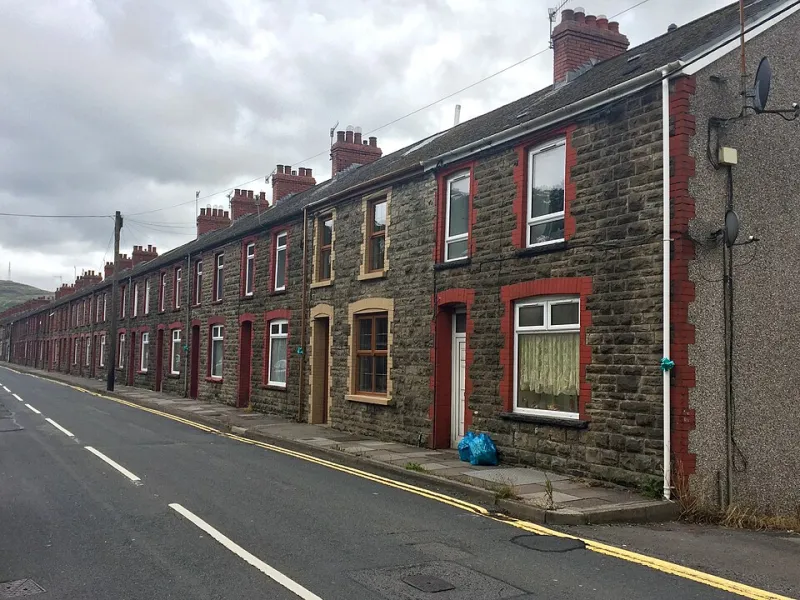
Photo: Alan Hughes , CC BY-SA 2.0, via Wikimedia Commons
Selling a house is mostly an exercise in managing first impressions you've stopped noticing. You've walked past that door ten thousand times. A buyer sees it once, from a car, at about four in the afternoon in November, and has made up their mind before the estate agent has finished unlocking.
That's not a reason to spend two grand. It's a reason to spend it in the right places — and to know which jobs are genuinely pointless. Here's the honest split.
What buyers actually register in the first few seconds
Not the brand of the door. Not the locking mechanism. What they clock, in rough order: the colour and whether it looks like it belongs on the street, whether the hardware matches, whether the step is sound, whether anything looks bodged, and whether the whole thing looks cared for. That last one carries more weight than any individual detail. A slightly dated door in good order reads better than a smart door with a cracked seal and a wobbly handle.
Colour: the widest-reach change, if you need one
Anthracite grey and other dark greys still dominate new composite doors, and on red brick or pale render they're hard to argue with. But the test isn't what's fashionable in a showroom — it's what your terrace or cul-de-sac is already doing. If every door on the row is a variation on black, a bright Chartwell green will either look brilliant or look like a statement, and buyers are cautious about statements.
If the existing door is sound and the colour is merely tired, think hard before replacing it. A professional respray is possible on many composite slabs, but check with the manufacturer first, because some finishes don't take kindly to it. If the colour is fine and only the trim and surround are grubby, clean and repaint those instead. Same visual lift, a fraction of the cost.
Hardware: small money, disproportionate signal
Before you do anything else, walk up and check that the handle, letterbox, knocker, numbers and house sign all look like they came from the same decade. Mismatched brass and chrome is one of those things buyers can't articulate but absolutely feel. Tarnished brass with green bloom around the fixings is worse than plain.
Replacing a full matching set costs very little and takes an afternoon. And while you're there, tighten the handle. A handle that shifts a millimetre when you touch it suggests, fairly or not, that other things have been neglected.
The step and threshold: the detail nobody mentions out loud
Buyers won't say "this step is loose" — they'll just feel slightly unwelcome and not know why. A rocking doorstep, a gap under the threshold, a cracked mastic line or a draught you can feel with the back of your hand all read as work in progress.
This is worth fixing properly, because it's the one front-door item that crosses from cosmetic into the surveyor's report. Water tracking under a threshold becomes damp, damp becomes a paragraph, and a paragraph becomes a negotiation.
Letterbox, glass and the snagging list
Quick wins, all cheap: a letterbox flap that closes flat, a glass unit that hasn't misted up between the panes, decorative film that isn't peeling at the corner, no scratches at handle height from keys and rings. If a sealed unit has blown, replacing it is usually far cheaper than a buyer's imagination will make it.
If your door has glazing, clean it inside and out before photography day — and make sure the hall behind it isn't visible as a pile of shoes and post. Buyers read a glazed door as a window into your house, and they will peer.
The frame and reveal: where bodges hide
Take a hard look at the silicone bead between the frame and the wall. Smears, gaps, visible expanding foam or a line that wanders like a bad haircut all suggest the door was fitted in a hurry. It may have been fitted perfectly and sealed badly, but nobody viewing will give you that benefit.
Cutting out and redoing a mastic line is a genuinely satisfying job and costs next to nothing. If the frame itself is bowed or the door catches on the top corner, get it adjusted rather than leaving a note about it — a door that needs a shove is remembered.
Numbers, light and the four o'clock problem
Most viewings happen when the light is going. A porch lamp that works, a couple of path lights, and a house number you can actually read from the road change the mood of the whole approach. It's also the single best-value item on this list for anyone photographing a property in autumn or winter.
What to leave alone
Don't replace a perfectly sound door two weeks before a valuation. You will not recoup the cost, and you'll be guessing at a stranger's taste. Don't fit something wildly out of character on a period property, and don't sand and repaint a timber door in a rush — a brush-marked finish is more noticeable than honest wear. Don't fix a scuff a buyer would never have spotted, and don't pay for a fancy security upgrade purely for sale purposes; the certificate is nice, the visible tidiness matters more.
Spend or skip, at a glance
Worth doing: matching hardware set; re-sealed frame; sound, level step; working porch and path lights; readable house number; professional clean of door and glass; door adjusted so it closes on the latch with one push.
Probably skip: full door replacement on a sound door; bespoke decorative glazing; high-end smart locks; chasing a colour trend you're not sure about; anything that needs a second visit from a specialist after the photos are taken.
The kerbside test takes five seconds and you can't sit it yourself. Ask a blunt friend, or better, take a photo of your house from across the road at the time of day viewings will happen. Whatever that picture says about the front door is what buyers will believe.