Fitting Day, Minus the Guesswork: An Hour-by-Hour Guide to a Proper Composite Door Install

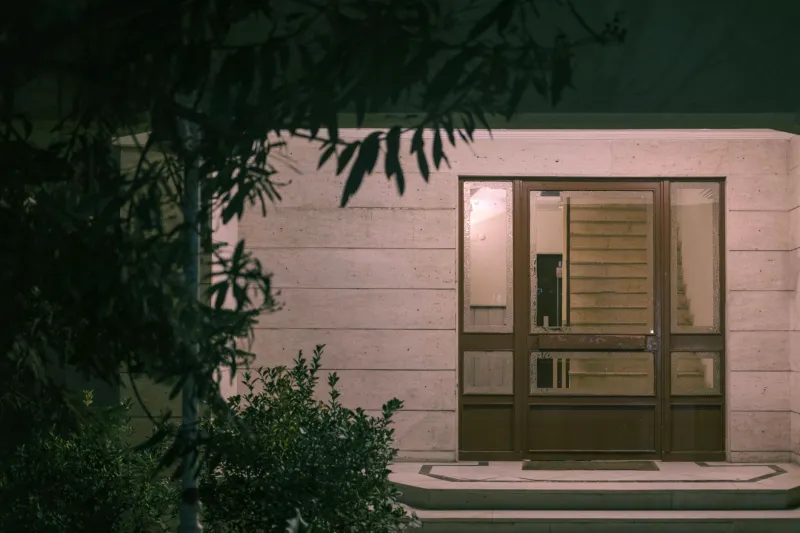
Photo: Acabashi, CC BY-SA 4.0, via Wikimedia Commons
Fitting day has a reputation for chaos: vans on the pavement, dust everywhere and a front door propped against the wall by lunchtime. It does not have to be like that. A well-run composite door installation is a sequence of small, deliberate jobs. Nobody should be guessing, rushing or sealing over a problem they have not bothered to check.
You do not need to supervise every screw. But knowing roughly what should happen, and when, gives you a fair benchmark for judging the work. Here is a typical day from arrival to handover.
8am: The calm before the drill
The fitters should arrive when they said they would, or ring ahead if traffic has other ideas. Before anything comes out of the van, they should confirm access, parking and where you would like materials placed. This is also the moment to move anything precious away from the hallway and ask about pets, children and floors.
A tidy start is a good sign. Dust sheets, floor protection and a clear plan for the old door should all be discussed before the first fixing is touched.
8.30am: Protection and removal
The old door comes out before the new one goes in. That sounds obvious, but the way it is removed tells you a lot. A careful team will protect the threshold, lift rather than drag, and keep screws and debris contained. The old door should be taken away if that was agreed, not left leaning against the house for you to deal with.
Once the opening is clear, they should inspect it properly. That means checking for damp, loose brickwork, a tired lintel or a frame that is not remotely square. If something unexpected turns up, you should hear about it before it is covered up.
9.30am: Checking the opening and preparing the frame
The new frame should be checked against the opening before it is fixed. This is where a good fitter earns their keep: checking levels, plumb lines and whether packers are needed. A composite door is heavy and rigid, but it still needs a sound opening and proper packing. Foam alone is not a substitute for structural packing at the right points.
Ask, if you are nearby, how they are dealing with any uneven reveals. You are not looking for a lecture. You are looking for a sensible answer that does not involve hiding a gap behind a bead of sealant.
10am: The frame goes in
The frame should go in square, plumb and secure. Packers should sit at sensible load-bearing points, especially around hinges and the lock side. Fixings should be appropriate for the wall type, and the frame should not be twisted to force it into an opening that is out of true.
This is also when the threshold and cill details matter. Water needs a way to escape, and the door needs to sit correctly over the threshold. If the door is being fitted into a rendered opening, check that the new frame is not sat in a puddle-in-waiting.
11am: Door on and adjusted
Once the door is hung, the gaps should look even and the door should close with a firm but not brutal push. Hinges may need small adjustments as the door settles into position. The fitter should check that the door does not catch, drop or need a shoulder barge to close.
This is the point to watch the operation from the inside and outside. Open and close it a few times. Listen for scraping, rattling or a hollow clunk. A new door should feel solid and controlled, not like it is thinking about it.
Noon: Sealing, trim and weatherproofing
Sealant should be neat, continuous and applied to a clean surface. It should not be smeared over brickwork like butter on hot toast. The trim should sit neatly, and any gaps should be filled for weatherproofing rather than appearance alone. Ask how the frame is sealed behind the trim if you are curious. Good fitters are happy to explain the bits you cannot see.
If the door has a letterbox, knocker or number, these should be fitted level and sensibly. Small details are where a rushed job shows.
1.30pm: Hardware and locking checks
Handles, locks and cylinders should be tested properly. The key should turn smoothly, the multipoint lock should engage without force, and the door should not need lifting to lock. Ask for a demonstration. You are not being difficult. You are learning how your own door works.
If the door has a night latch, deadlock or thumb-turn cylinder, make sure you understand what each part does. A secure door is only secure if everyone in the house can use it properly and knows what to do in an emergency.
2.30pm: Handover and snag list
A proper handover is not a shrug and a set of keys. The fitter should walk you through the door, show you how to adjust the hinges if needed, explain any care instructions and confirm what to do if something needs attention. You should receive the guarantee paperwork, any certificates and clear contact details for aftercare.
Walk around the door yourself before the van leaves. Check the gaps, the sealant, the threshold, the handle and the lock. If something looks off, say so now. It is much easier to sort a small snag while the tools are still out.
Red flags worth noticing
No floor protection, old doors left behind, sealant used to hide poor packing, a frame forced out of square, a door that needs a shove to lock, or a handover with no paperwork. Any one of these might be a one-off. A pattern of them is a problem.
A good installation should leave you with a door that closes properly, a tidy hallway and a clear idea of what happens next. If the day feels calm and methodical, that is usually a very good sign.