The Colour That Never Arrives: Testing a Composite Door Sample Properly Before You Order

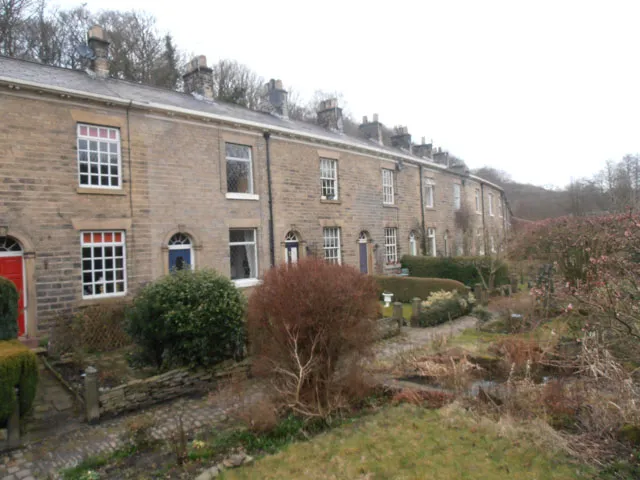
Photo: AIMHO'S REBELLION 8490s, CC BY-SA 4.0, via Wikimedia Commons
The showroom is lying to you (gently)
You chose a colour off a sample about the size of a beer mat. Now a two-metre slab of the stuff is fixed to the front of your house and it looks nothing like it. Darker, probably. Or greener, or flatter, or oddly blue at eight in the morning and faintly brown by four in the afternoon.
Nothing has gone wrong. This is one of the most common things homeowners raise in the first week after fitting, and it nearly always comes down to the same handful of causes. Understand them and you can rule most of them out before you sign anything.
A sample is not a small door
Start with the obvious thing nobody mentions: size changes colour.
A small chip reads lighter and less saturated than a large panel of the same finish. Your eye averages out a tiny area in a way it doesn't with two square metres of the stuff. So a sample will almost always look paler and softer than the finished job — sometimes by a surprising margin. If you are torn between two shades, the darker one usually lands closer to what you pictured.
There's also the question of what the sample is made of. A plastic colour chip, a painted metal swatch and an actual composite door skin will not render light identically, even in the same pigment. Ask what you are actually holding.
Four things that do most of the damage
1. Which way your house faces
A south-facing front catches direct sun for most of the day. Everything warms up: greys drift beige, blues get punchier, dark greens look almost black in the glare. A north-facing front sits in cool, blue-tinted light from dawn to dusk, which mutes warm colours and flattens anything with a strong red base. East and west-facing fronts are the dramatic ones — you get one reading in the morning and a completely different one after lunch.
If your door sits under a porch or a deep canopy, you can more or less halve the effect. If it's fully exposed, double it.
2. What the door sits against
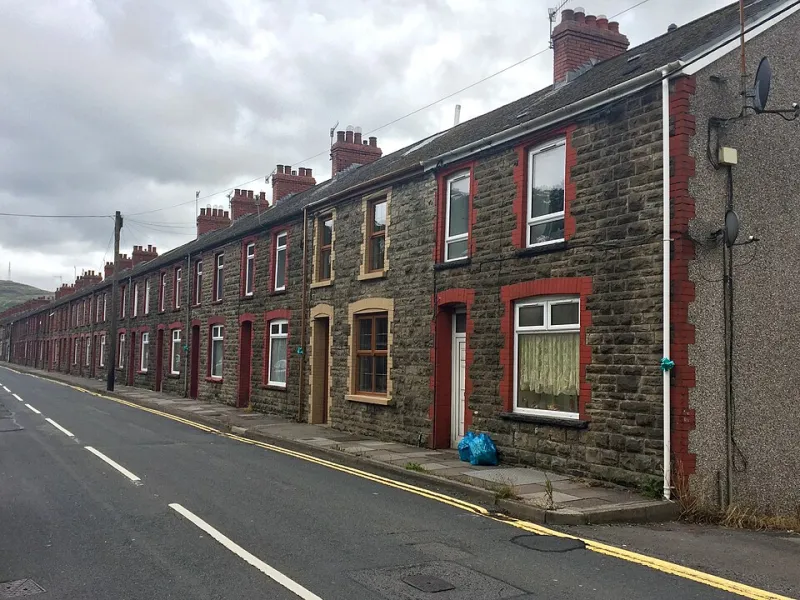
The brickwork is not a neutral backdrop, it's half the composition. Red and orange brick pushes a grey door cooler and darker by contrast. Yellow London stock brick turns warm creams slightly sickly and makes greys look bluer. Painted render in off-white makes almost everything look lighter than it is.
This is why the same door can look superb on one house and drab on the one next door. It's not the door, it's the wall.
3. Glass, and how much of it
A door with two large glazed panels is essentially half mirror. It picks up sky, trees, parked cars and the colour of the road, and those reflections wash out the solid colour around them. The more glazing you spec, the less the door reads as a single block of colour — which is fine, as long as you were expecting it.
4. Finish, not just shade
Matt and satin finishes look deeper and more solid; glossier surfaces bounce light and appear lighter but also show every smear. Textured woodgrain finishes gain shadow lines in the grain, which darkens the overall impression by a noticeable notch. Two doors in the same named colour but different finishes can look like two different products.
There is also a technical quirk called metamerism, where two colours match under one light source and diverge under another. In plain English: the shade that matched your windows under the showroom spotlights may not match them in daylight. Always compare in daylight.
A method that actually works
Here's the routine we suggest to anyone ordering a coloured door. It costs an afternoon and saves a fortnight of regret.
Get the biggest sample you can. Ask for a full door-sized sample or a 'door blanket' — some suppliers loan them out. Failing that, an A4 panel is ten times more useful than a keyring chip.
Fix it to the actual door. Tape it to the existing door or frame, in the same plane, at the same angle. Not to the wall beside it. Light falls differently on a surface that faces another direction.
Check it four times in one day. Morning, midday, late afternoon, and dusk with the porch light on. Then check once more on a wet, grey day, because that's the weather your door will live in for roughly five months a year. Overcast light is the great equaliser — and the great disappointment — for warm colours.
Look from three distances. Nose to the panel, from the garden gate, and from the kerb. It will read differently at each, and the kerb view is the one that matters for street presence.
Photograph it, but don't trust the photo. Phone cameras auto white-balance and will confidently lie to you about colour. Use photographs to compare two options side by side, never to make the final call.
Test it against your own brick. Take a photo of your house front with you, or better still take the sample home. Showroom swatch boards are designed to flatter; your wall is not.
Look at it at night. A lot of doors are seen predominantly after dark, under a porch light or a street lamp. Warm-toned bulbs will drag greys towards beige and make navy look near-black. If your porch light is warm white, test under warm white.
Questions worth asking before you sign
- Can I take a large sample home, and is there a deposit or loan scheme for it?
- Can you show me a photograph of a finished door in this exact colour and finish, on a real house?
- What is the returns position if I reject the colour at survey stage?
- Does the same colour come in more than one finish, and how much does that change the look?
None of these are awkward questions. A supplier who fits doors for a living will have heard them all before and should answer without flinching.
Give it a fortnight
Even after all of the above, expect a wobble in the first week. A brand-new door on a familiar house looks wrong simply because it's new — your eye hasn't adjusted and every neighbour who walks past has an opinion. Live with it through a few weather changes before you decide you've made a mistake. Most people who do the sample testing properly find the doubt evaporates by the second weekend.