The Council Might Have Opinions: Fitting a Composite Door in a Conservation Area
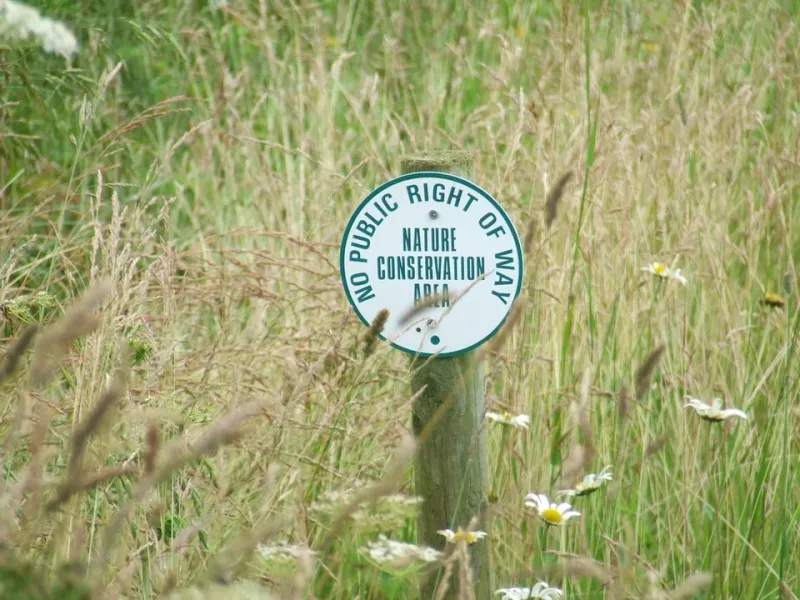
Photo: Keith Evans , CC BY-SA 2.0, via Wikimedia Commons
A new front door should be a straightforward upgrade. You pick a style, book a fitter, and get on with the business of not having a draught around your ankles. But if your house sits in a conservation area — or worse, has an Article 4 direction attached to it — the council may want a word before anyone reaches for a screwdriver.
That is not a reason to panic. It is a reason to do your homework before you order. Conservation rules are not designed to stop you replacing a tired old door. They are there to stop the street losing the thing that makes it worth living on in the first place. The trick is knowing what your local authority expects, and giving them enough detail to say yes without a six-week game of email tennis.
First, work out what actually applies
Conservation area status is the starting point, not the whole story. In a standard conservation area, some minor works can fall under permitted development. But an Article 4 direction removes those automatic rights, which means replacing a front door may need planning permission or at least a formal conversation with the conservation officer. A listed building is a different beast entirely — there, you are likely looking at listed building consent, and the rules are stricter.
So before you fall in love with a chartwell green door with brushed nickel hardware, check your local authority’s planning portal. Search your postcode, look for conservation area maps and Article 4 directions, and read the wording carefully. If the portal is about as clear as a fogged-up window, ring the planning department. Ask a blunt question: “I want to replace the front door on this property — do I need permission, and what information do you need from me?” Write down who you spoke to and when.
Prepare a proper little evidence pack
Conservation officers are busy. The homeowners who get quick answers are usually the ones who make the decision easy. Put together a short, tidy pack rather than firing off a blurry photo of a door from a dodgy angle.
Include clear photos of your existing door from straight on, plus wider shots showing the house and the neighbouring properties. Photograph the details that matter: the door panels, the glazing, the letterplate, the handle, the threshold, the brickwork or stone surround. If your street has a repeating style — sash windows, fanlights, painted timber doors — show that too. Then add the details of what you want to fit: a brochure image or technical drawing, the exact colour, the material, the glazing pattern, the dimensions and the hardware. And be honest about the fact it is a composite door, not timber. Trying to pass it off as something it is not tends to backfire.
The phrase you will see a lot is “preserve or enhance.” You do not need to write an essay, but a short covering note explaining why your choice suits the property and the street goes a long way. If you are replacing a rotten 1980s door with something more in keeping with the house’s original style, say so.
Choose a composite that behaves like a traditional door
Here is the good news: composite doors have got much better at playing the part. You can get traditional four-panel or six-panel layouts, glazing bars that mimic Georgian or Edwardian proportions, and finishes that look more like painted timber than plastic. That matters in a conservation area, where the overall impression from the pavement is often what counts.
Avoid anything that shouts “new build estate” if your street is full of Victorian terraces. A chunky, ornate door with a huge letterplate and shiny gold furniture may be perfectly nice in the right setting, but it can look out of place in a conservation area. Muted colours — heritage green, off-white, pale grey, deep blue — tend to be safer than anything neon or metallic. Glazing should be simple and proportionate. If the houses on your road have fanlights or glazed top panels, echoing that is usually a smarter move than fitting a solid slab.
Do not forget the bits you touch every day. A traditional-style handle and a discreet letterplate will do more for the look than a fancy door with the wrong hardware bolted to it. And if the council asks for samples, send them. A colour swatch in daylight is far more persuasive than a screen image.
Get it in writing before you commit
Verbal reassurance from a planning officer is lovely. It is not a decision. Ask for confirmation in writing, even if it is just an email saying your proposal is acceptable or that permission is not required. If you do need formal permission, wait for the decision notice before you order the door. Yes, that means living with the old one for a bit longer. It is still cheaper than being told to take a brand-new door off again.
Also check whether your fitter has worked in conservation areas before. A good installer will understand why you are being careful and will not push you to order before the paperwork is sorted. If they shrug and say “nobody bothers round here,” that is your cue to find someone else.
The bottom line
A conservation area does not have to kill your kerb appeal. It just asks you to choose with a bit more care. Check the rules, prepare clear evidence, pick a composite door that respects the street, and get the council’s answer in writing before you spend a penny. Do that, and you can enjoy the draught-free hallway without a letter from planning enforcement landing on the mat.